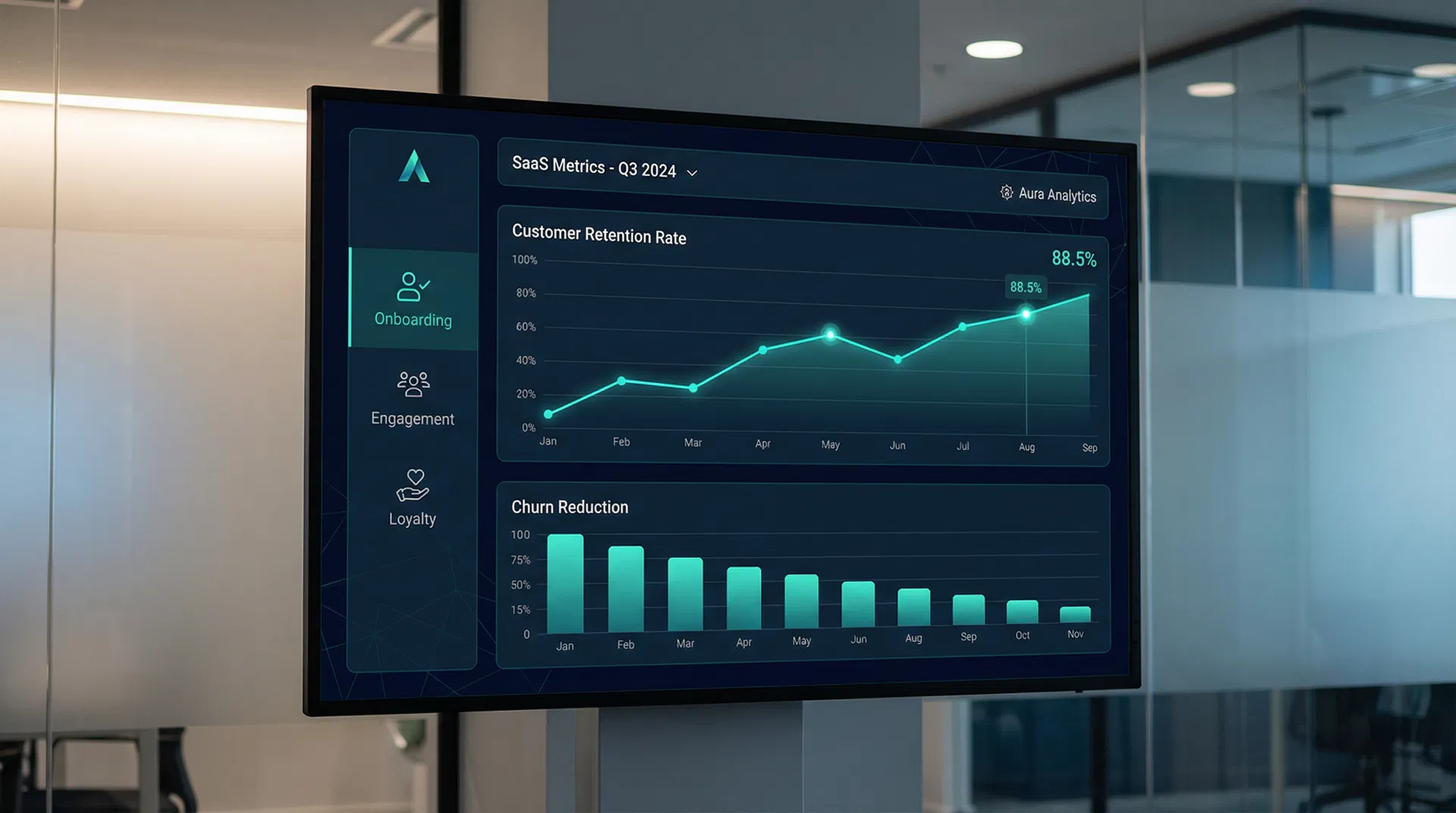
Customer churn is one of the most expensive problems facing modern businesses. According to Qualtrics, US companies lose over $35 billion per year from customer churn alone. Research from Bain & Company consistently shows that a 5% decrease in churn can boost revenue by 25% or more. Yet many organizations still treat feedback as an afterthought rather than a strategic early warning system.
This article examines how structured feedback intelligence programs help businesses identify at-risk customers before they leave, and how turning complaints into actionable insights creates measurable retention improvements.
The True Cost of Ignoring Customer Feedback
The economics of retention are well-documented. Acquiring a new customer costs approximately five times more than retaining an existing one, according to research compiled by Invesp. Repeat buyers spend 67% more than first-time shoppers, as reported by VWO. Despite these numbers, many businesses still lack a systematic approach to collecting, analyzing, and acting on customer feedback.
The average SaaS company experiences monthly churn rates between 3% and 8%, according to CRO Benchmark data. At a 5% monthly churn rate, a company loses approximately 46% of its customer base annually, as calculated by Churnkey's State of Retention 2025 report. Monthly churn above 10% means losing nearly all customers within a year.
| Metric | Impact |
|---|---|
| 5% monthly churn | 46% annual customer loss |
| Cost of new acquisition | 5x more than retention |
| Repeat buyer spending | 67% more than first-time |
| 5% retention improvement | 25%+ revenue increase |
How Feedback Intelligence Identifies At-Risk Customers
Traditional customer success programs rely on usage metrics and NPS surveys to gauge health. Feedback intelligence adds a critical layer by analyzing the content, sentiment, and patterns within customer communications across every channel.
Sentiment Trend Analysis
A single negative comment is noise. A pattern of declining sentiment across multiple touchpoints is a signal. AI-powered sentiment analysis can track how a customer's tone shifts over weeks and months across support tickets, feedback submissions, review platforms, and email conversations.
When a customer who previously submitted enthusiastic feature requests starts filing frustrated bug reports, that shift in sentiment is a leading indicator of churn risk. Feedback intelligence platforms detect these patterns automatically and flag accounts for proactive outreach.
Volume and Frequency Patterns
Paradoxically, customers who stop giving feedback may be at higher risk than those who complain. Research from Pylon indicates that 56% of customers will not even complain after a bad experience — they simply leave. A sudden drop in feedback volume from a previously engaged account is often a stronger churn signal than a negative review.
Cross-Channel Signal Aggregation
Customers rarely express dissatisfaction through a single channel. They might leave a 3-star review on Google, mention a frustration in a support email, and submit a feature request that hints at missing functionality. Individually, none of these signals trigger an alarm. Aggregated across channels, they paint a clear picture of an account trending toward churn.
Building a Feedback-Driven Retention Program
Companies with formal Voice of Customer (VoC) programs see measurable results. According to Aberdeen Group research cited by Marketing Endeavors, organizations with VoC programs experience a 48.2% year-over-year increase in annual revenue, a 55% greater client retention rate, and a 23.6% annual reduction in customer service costs.
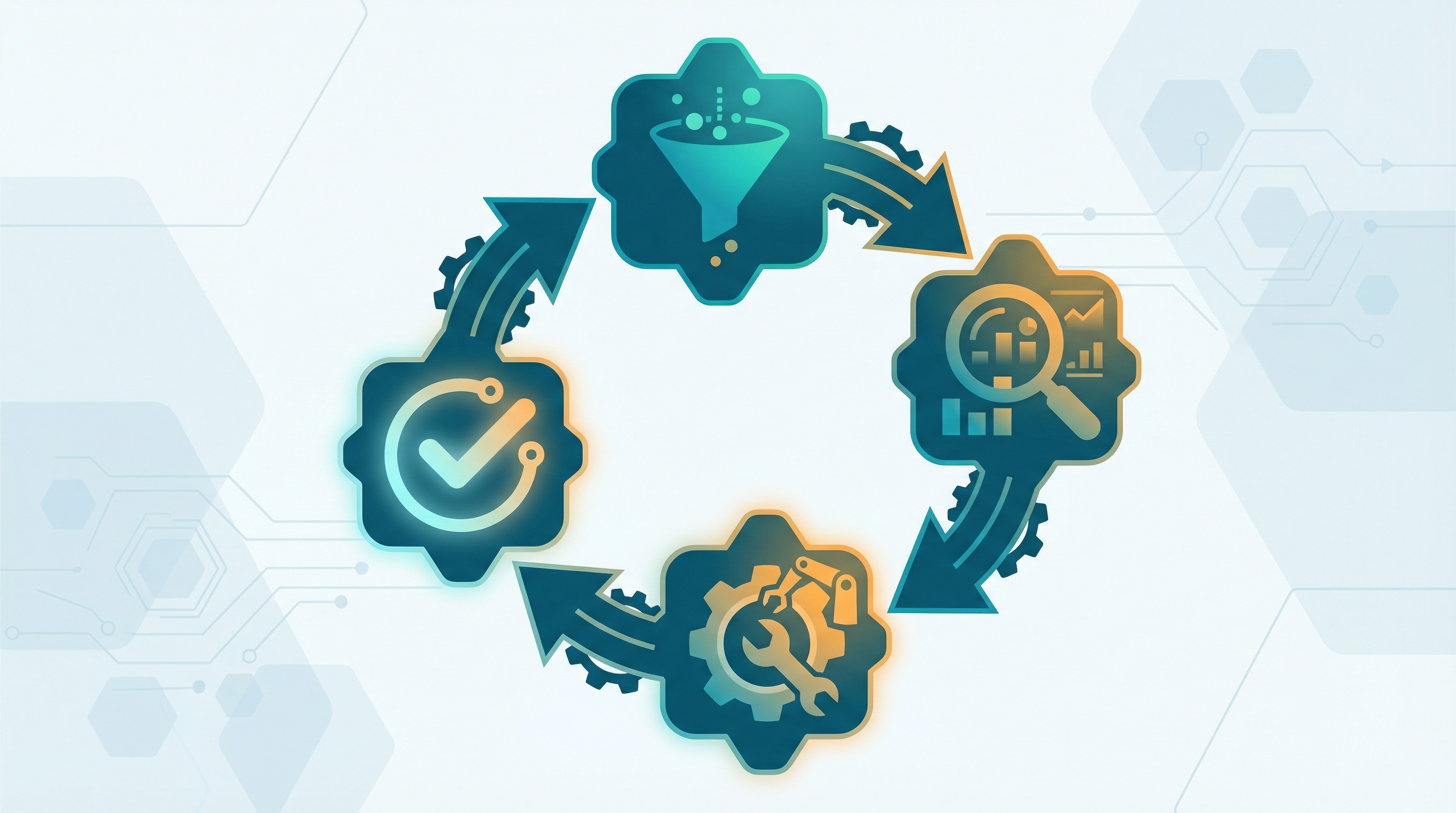
Step 1: Centralize All Feedback Sources
The first step is eliminating feedback silos. Customer insights are scattered across support tickets, review platforms, social media, sales calls, and in-app feedback widgets. A centralized feedback management platform pulls all of these sources into a single view where patterns become visible.
Step 2: Automate Categorization and Prioritization
Manual tagging does not scale. AI-powered categorization automatically classifies incoming feedback by topic, product area, and urgency. Combined with revenue-weighted prioritization, this ensures that feedback from high-value accounts gets appropriate attention.
Step 3: Create Closed-Loop Workflows
The most effective retention programs close the loop with customers. When a customer submits feedback, they should receive acknowledgment. When their feedback influences a product change, they should be notified. This transparency builds trust and demonstrates that the company values their input.
Step 4: Measure and Iterate
Track the correlation between feedback response times, resolution rates, and retention metrics. Over time, this data reveals which types of feedback interventions have the greatest impact on reducing churn.
From Reactive to Predictive
The most advanced feedback intelligence programs move beyond reactive analysis to predictive modeling. By combining historical feedback patterns with outcome data (which accounts churned, which renewed, which expanded), AI models can assign churn probability scores to active accounts.
This shifts the customer success team from fighting fires to preventing them. Instead of scrambling to save an account that has already decided to leave, teams can intervene weeks or months earlier when the relationship is still recoverable.
The Bottom Line
Customer churn is not inevitable. The data consistently shows that businesses which systematically collect, analyze, and act on customer feedback retain more customers and grow faster than those that do not. The question is not whether feedback intelligence works — it is whether your organization can afford to operate without it.