The era of manually reading, sorting, and categorizing every piece of customer feedback is over. In 2026, the most effective teams leverage artificial intelligence to process feedback at scale — identifying patterns, detecting duplicates, analyzing sentiment, surfacing the insights that matter most, and turning those insights into structured action plans with measurable follow-through.
The Problem with Manual Feedback Triage
Product teams receive feedback from dozens of channels: in-app widgets, support tickets, sales calls, social media, community forums, and review sites. Without AI, a team of five might spend 15-20 hours per week just reading and categorizing feedback. That's time not spent building features or talking to customers.
Worse, manual triage introduces bias. The loudest voices get heard. The most recent feedback gets prioritized. And subtle patterns — like a growing frustration with onboarding across multiple segments — go unnoticed until they become churn events.
How AI Changes the Game
Modern AI-powered feedback platforms like Beacon Analytics transform raw feedback into structured, actionable intelligence through several key capabilities:
1. Duplicate Detection
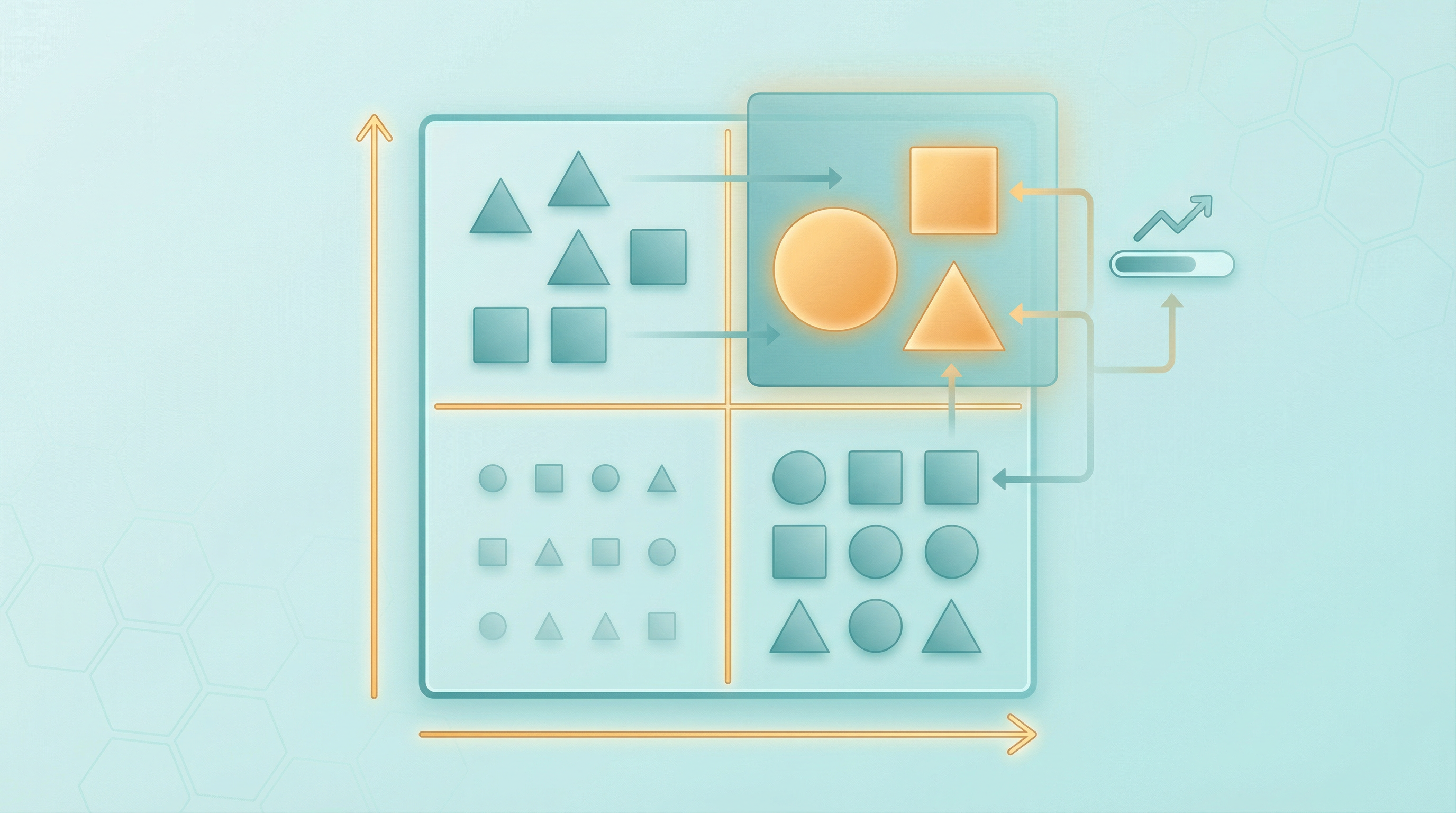
When hundreds of users request the same feature using different words, AI clusters these requests together. Instead of seeing 200 separate items, your team sees one consolidated request with 200 voices behind it. This alone can significantly reduce your feedback backlog.
2. Sentiment Analysis
Every piece of feedback carries emotional context. AI sentiment analysis classifies feedback as positive, negative, neutral, or mixed — and tracks sentiment trends over time. When sentiment around a specific feature starts declining, you know it's time to act before it impacts retention.
3. Auto-Categorization
AI reads each feedback item and automatically assigns it to the right board, category, and tags. A request about "faster loading times" gets tagged as Performance. A complaint about "confusing navigation" goes to UX. This happens in milliseconds, not minutes.
4. Smart Prioritization
By combining vote counts, sentiment scores, customer revenue data, and strategic alignment, AI generates weighted priority scores that help you focus on what will move the needle most. No more gut-feel prioritization.
Real-World Impact
Teams using AI-powered feedback management typically see:
- Faster feedback processing — automated triage replaces hours of manual sorting
- Better feature adoption — building what users actually want, based on data rather than guesswork
- Reduced churn from unaddressed feedback, since patterns are caught earlier
- Higher throughput — each team member can process significantly more feedback per week
Getting Started
The transition to AI-powered feedback management doesn't require a complete overhaul. Start by:
- Consolidating your feedback channels into a single platform
- Enabling AI duplicate detection to immediately reduce noise
- Setting up sentiment tracking to monitor customer satisfaction trends
- Configuring auto-categorization rules based on your product taxonomy
- Building AI-informed roadmaps that reflect actual customer priorities
5. AI-Generated Action Plans
The most advanced platforms don't stop at analysis. They turn AI insights into structured action plans with assigned owners, deadlines, and KPI milestones — so improvements actually happen, not just get discussed. This accountability layer is what separates insight from impact.
6. AI Review Replies
For businesses managing customer reviews, AI can generate natural, brand-specific responses that save hours of manual reply writing. Account-specific configuration lets you customize tone and prompts so every reply sounds like your team wrote it.
The teams that embrace AI-powered feedback management today will build better businesses tomorrow. The question isn't whether to adopt AI for feedback — it's how quickly you can get started.